Category: Social Media

  • How to Improve Engagement on Your Social Media Accounts

    How to Improve Engagement on Your Social Media Accounts

    Engagement is the cornerstone of any successful social media strategy. It reflects how your audience interacts with your content and indicates the strength of your online presence. Whether you’re a brand, business, or individual, these actionable tips can help you enhance your social media engagement effectively.


    1. Know Your Audience

    Understanding your audience is the foundation of improving engagement. Use analytics tools to learn about their demographics, interests, and behaviors. Tailor your content to meet their preferences and address their pain points.


    2. Create High-Quality Content

    Quality always trumps quantity. Share visually appealing, well-crafted, and valuable content that resonates with your audience. Use high-resolution images, engaging videos, and concise, impactful captions.


    3. Post Consistently

    Maintain a regular posting schedule to keep your audience engaged and aware of your presence. Use tools like Hootsuite or Buffer to plan and automate posts, ensuring consistency without overwhelming your followers.


    4. Engage with Your Followers

    Engagement is a two-way street. Respond to comments, like and share user-generated content, and show appreciation for your followers’ interactions. Building a relationship fosters loyalty and encourages more engagement.

    How to Improve Engagement on Your Social Media Accounts
    How to Improve Engagement on Your Social Media Accounts

    5. Use Interactive Content

    Incorporate polls, quizzes, and question boxes into your content to directly involve your audience. Stories, live sessions, and contests are other great ways to encourage interaction.


    6. Optimize Post Timing

    Post when your audience is most active. Use platform-specific analytics to determine peak engagement times and schedule your content accordingly.


    7. Utilize Hashtags Strategically

    Relevant and trending hashtags can amplify the reach of your posts, connecting you with a broader audience. Avoid overloading your posts; instead, focus on a few impactful hashtags.


    8. Collaborate with Influencers

    Partnering with influencers can introduce your account to a larger, engaged audience. Choose influencers whose followers align with your target demographic for maximum impact.


    9. Share Stories and Behind-the-Scenes Content

    Humanize your brand by sharing relatable content such as team activities, product creation processes, or everyday moments. Stories help create a personal connection with your audience.


    10. Analyze and Adapt

    Monitor the performance of your posts to identify what works and what doesn’t. Use insights to refine your strategy, experimenting with new formats, captions, or topics.


    Quick Tips for Instant Results

    • Use attention-grabbing headlines.
    • Add call-to-actions (CTAs) encouraging likes, comments, or shares.
    • Collaborate with followers by reposting their content.
    • Stay updated on social media trends and challenges.

    Final Thoughts

    Improving engagement on social media requires effort, creativity, and adaptability. By understanding your audience, delivering valuable content, and fostering genuine connections, you can elevate your social media presence and achieve your goals.

    Start implementing these strategies today and watch your engagement grow!

  • How to Create Engaging Content for Social Media

    How to Create Engaging Content for Social Media

    In today’s digital world, social media is a great way to reach and connect with people. However, the key to success is how to create engaging content for social media. Engaging content grabs attention, encourages interaction, and helps build a loyal following. In this article, we’ll explore simple strategies to create content that will keep your audience interested and coming back for more.

    Understand Your Audience

    Before you can create engaging content, it’s important to know who your audience is. How to create engaging content for social media starts with understanding what your audience likes, needs, and cares about. For example, a younger audience may prefer short, fun videos, while a professional audience may prefer informative posts.

    Start by researching your audience’s interests and behaviours. You can look at the types of posts that get the most engagement. Additionally, think about what your audience might find useful or entertaining. This will help you tailor your content to match their preferences.

    How to Create Engaging Content for Social Media
    How to Create Engaging Content for Social Media

    Create Content That Adds Value

    One of the best ways to engage your audience is by adding value. How to create engaging content for social media is about giving something that benefits your followers. Whether it’s entertainment, useful tips, or valuable information, your content should serve a purpose.

    For example, if you run a cooking blog, sharing recipes or cooking tips can be very engaging for your audience. Similarly, if you are a fitness expert, posting workout routines or health advice can offer real value to your followers. People are more likely to interact with content that helps them solve a problem or learn something new.

    Use Visual Content to Capture Attention

    Humans are visual creatures, and posts with visuals tend to get more attention. When you’re thinking about how to create engaging content for social media, use eye-catching images, videos, or infographics. These types of content are much more likely to grab the attention of your followers than text-only posts.

    Platforms like Instagram and Pinterest are highly visual, so using beautiful photos or videos will help your content stand out. Even on platforms like Twitter or LinkedIn, adding images or videos to your posts increases the chances of engagement. Make sure your visuals are high quality and relevant to your message.

    Tell Stories with Your Content

    Storytelling is another powerful tool for how to create engaging content for social media. People love stories because they are relatable and emotionally connecting. Sharing stories about your brand, personal experiences, or customer success can help humanize your content.

    For instance, you could share behind-the-scenes stories, customer testimonials, or stories about how your business started. These types of stories can help your followers feel more connected to you and your brand, which makes them more likely to engage.

    Ask Questions and Encourage Interaction

    Engagement thrives when you encourage your followers to participate. A great way to do this is by asking questions. How to create engaging content for social media often involves starting a conversation. For example, you can ask your followers what they think about a new trend, what products they like, or even how their day is going.

    Another way to encourage interaction is by running polls or quizzes. These fun activities can encourage followers to engage with your posts in a light-hearted way. The more your audience interacts with your posts, the more likely they are to see your future content.

    Use Hashtags to Expand Your Reach

    Hashtags are an effective tool for increasing the visibility of your posts. When you include relevant hashtags, your content can be discovered by people who don’t follow you yet. How to create engaging content for social media includes using hashtags that relate to your post and target audience.

    For example, if you’re posting a picture of a new product, use hashtags related to your product or industry. Research popular and trending hashtags in your field to expand your reach. However, don’t overdo it—focus on quality hashtags that are most relevant to your content.

    Post Consistently

    Consistency is key when it comes to how to create engaging content for social media. Posting regularly keeps your brand in front of your audience and helps maintain interest. However, it’s important not to overwhelm your followers with too many posts in a short time. Instead, create a balanced posting schedule.

    You can use scheduling tools to plan and manage your content. This will help you stay consistent and ensure that your posts are spaced out throughout the week. A consistent posting schedule will also help build expectations, making your audience more likely to engage with your content.

    Conclusion

    In conclusion, how to create engaging content for social media comes down to understanding your audience, providing value, and using visuals and storytelling to grab attention. Asking questions, encouraging interaction, and using hashtags can further boost your engagement. Finally, posting consistently will keep your followers interested and increase the chances of ongoing interaction. By following these tips, you’ll be able to create content that connects with your audience and builds lasting engagement.

  • Best Social Media Tools for Beginners

    Best Social Media Tools for Beginners

    Starting with social media marketing can feel overwhelming. With so many platforms and tools available, it’s hard to know where to begin. Fortunately, some great social media tools for beginners can make the process easier and more effective. These tools will help you manage posts, track engagement, and grow your audience with minimal effort. In this article, we will explore some of the best tools to help you get started.

    Why Use Social Media Tools for Beginners?

    When you’re new to social media marketing, it’s easy to get lost in all the features and tasks that come with it. Social media tools for beginners help simplify the process. They allow you to schedule posts, track performance, and even engage with followers all in one place. By using these tools, you can save time and focus on creating great content instead of managing each post manually.

    Scheduling Tools to Save Time

    One of the first things you’ll need as a beginner is a way to schedule your posts in advance. Scheduling tools are among the best social media tools for beginners because they help you plan content without being online all the time. With these tools, you can set up a week’s worth of posts in a few minutes.

    Popular scheduling tools like Buffer and Hootsuite allow you to schedule posts across multiple platforms at once. These tools also help you track the best times to post, so your content reaches the most people. This can save you a lot of time and effort.

    Best Social Media Tools for Beginners
    Best Social Media Tools for Beginners

    Analytics Tools to Measure Success

    Another important aspect of social media marketing is understanding how well your content is performing. Analytics tools are essential for this. As a beginner, these social media tools for beginners will help you track key metrics like engagement, clicks, and followers.

    Tools like Google Analytics and Sprout Social give you detailed insights into how your posts are performing. They provide reports that show what works and what doesn’t, helping you improve your strategy. By analyzing your results, you can create more content that your audience will love.

    Visual Content Creation Tools

    Creating eye-catching visuals is an important part of social media marketing. Luckily, there are easy-to-use tools that allow beginners to create beautiful images, videos, and graphics. These social media tools for beginners help you stand out in a crowded feed.

    Canva is one of the most popular tools for beginners. With its drag-and-drop interface, you can create stunning images and social media posts even if you have no design experience. Another great tool is Adobe Spark, which offers simple templates for creating videos and graphics. Both tools provide a wide variety of templates to suit any social media platform.

    Social Listening Tools to Understand Your Audience

    To truly connect with your followers, you need to listen to what they’re saying. Social listening tools are great social media tools for beginners because they help you monitor conversations, track brand mentions, and understand audience sentiment.

    Brand24 and Mention are two social listening tools that can track what people are saying about your brand or industry. These tools allow you to respond to customer feedback quickly, engage in relevant conversations, and stay on top of trends.

    Engagement Tools to Build Relationships

    Engagement is key to building a strong online presence. Engaging with your followers will help you grow a loyal community. Some social media tools for beginners can help you interact with your audience more easily.

    SocialBee and Agorapulse are tools that let you manage comments and messages from all your social media accounts in one place. These tools help you stay organized, ensuring that you never miss a message or comment. By engaging quickly with your followers, you can build a better relationship and increase loyalty.

    Collaboration Tools for Teamwork

    If you’re working with a team, collaboration tools can make your social media tasks much easier. These social media tools for beginners allow you and your team to work together on content, approval processes, and scheduling.

    Trello and Asana are simple project management tools that can help you stay on top of your social media tasks. You can create boards, assign tasks, and set deadlines to ensure everything gets done on time. These tools will keep your team organized and help you stay focused.

    Conclusion

    In conclusion, using the right social media tools for beginners can make your social media marketing much easier. Tools for scheduling, analytics, visual content creation, and engagement will help you save time, improve your strategy, and grow your audience. As you gain more experience, you can explore more advanced tools, but these beginner-friendly options will get you off to a strong start. Start using these tools today and watch your social media presence grow!

  • Top Strategies for Social Media Marketing

    Top Strategies for Social Media Marketing

    Social media marketing is a powerful tool for businesses today. To stand out and connect with your audience, you need to know the best strategies for social media marketing. With millions of people online, creating the right strategy can help you engage and grow your brand. In this article, we will discuss some effective strategies to help you succeed in the world of social media.

    Know Your Audience

    One of the most important strategies for social media marketing is knowing who your audience is. Before you start posting, understand who you want to reach. Consider their age, interests, and where they spend their time online. For example, younger people might prefer Instagram or TikTok, while professionals may be more active on LinkedIn.

    Once you know your audience, create content that speaks directly to them. This will help you build a stronger connection and increase engagement. Tailoring your posts to your audience ensures your content resonates with them.

    Top Strategies for Social Media Marketing
    Top Strategies for Social Media Marketing

    Focus on Quality Content

    When it comes to strategies for social media marketing, creating high-quality content is key. Whether it’s pictures, videos, or blog posts, your content needs to stand out. High-quality content grabs attention, encourages interaction, and builds trust.

    Moreover, make sure your content is valuable. Share tips, advice, or fun facts that your audience will find helpful or interesting. By providing value, you create a reason for people to follow you and engage with your posts regularly.

    Be Consistent

    Another important strategy is consistency. To grow your online presence, you need to post regularly. Consistency helps you stay visible and keeps your audience engaged. However, it’s not just about posting often; it’s about maintaining a steady rhythm that works for your audience.

    Create a content calendar to plan out your posts in advance. This will help you stay organized and ensure you never miss an important date. Plus, when your audience knows when to expect your posts, they’ll be more likely to follow and interact with you.

    Use a Variety of Content Types

    Using a mix of content types is one of the best strategies for social media marketing. Different content types engage your audience in different ways. For instance, some people prefer watching videos, while others like reading blog posts or looking at images.

    Consider posting videos, polls, infographics, and even live streams. Mixing it up will keep your audience interested and help you reach more people. Also, different platforms might work better for different types of content. For example, Instagram and TikTok are ideal for short-form videos, while LinkedIn is better for long-form posts.

    Engage with Your Followers

    Engagement is a big part of social media marketing. To successfully apply strategies for social media marketing, you need to interact with your followers. Respond to comments, like their posts, and show that you value their engagement. When you respond to messages or comments, it builds a relationship with your followers and encourages them to interact more.

    Additionally, encourage conversations by asking questions in your posts. Create polls or quizzes to spark engagement. The more you interact with your audience, the more likely they are to share your content and recommend your brand to others.

    Collaborate with Influencers

    Influencer marketing is a popular and effective strategy. Collaborating with influencers can expand your reach and help you connect with a larger audience. When you work with an influencer, you tap into their follower base and increase your chances of gaining more followers.

    Choose influencers who align with your brand values and have an audience that matches your target market. This will ensure that the partnership feels authentic and beneficial to both parties.

    Analyze and Adjust Your Strategy

    To get the best results, regularly analyze your performance. Social media platforms offer analytics tools that help you track the effectiveness of your posts. Pay attention to which posts get the most engagement and try to understand why they performed well.

    Once you’ve gathered this information, adjust your strategy accordingly. For example, if videos are getting more attention than images, post more videos. By continuously monitoring and adjusting your approach, you’ll keep improving your social media marketing strategy.

    Stay Updated with Trends

    Social media trends are always changing, so staying updated is essential. New features and challenges emerge regularly, and staying on top of these trends can help you stay relevant. For instance, Instagram Reels or TikTok challenges can give your content a boost if you take part in them.

    Follow industry blogs, listen to podcasts, or subscribe to newsletters to stay informed. The more you know about new trends, the easier it will be to incorporate them into your strategy.

    Conclusion

    In conclusion, the best strategies for social media marketing are all about understanding your audience, creating valuable content, staying consistent, and engaging with your followers. By mixing up your content, collaborating with influencers, and regularly analyzing your performance, you can build a strong and successful social media presence. Stay updated with trends and continue to improve your strategy for long-term success.

  • The Pros and Cons of Using Social Media for Networking

    The Pros and Cons of Using Social Media for Networking

    Social media has revolutionized the way we connect with others, offering unique opportunities for networking. While it’s a powerful tool for building relationships, it also comes with its challenges. Let’s explore the pros and cons to help you make the most of your networking efforts.


    Pros of Using Social Media for Networking

    1. Accessibility to a Global Network

    Social media platforms like LinkedIn, Twitter, and Facebook enable you to connect with professionals and like-minded individuals worldwide, breaking geographical barriers.

    2. Cost-Effective Networking

    Unlike traditional networking events that may require travel and registration fees, social media allows you to network without any additional cost.

    3. Easy Sharing of Information

    You can showcase your skills, achievements, and expertise through posts, articles, and multimedia content, making it easier to highlight your professional value.

    4. Faster Communication

    Social media enables instant messaging, quick replies, and real-time discussions, fostering quicker and more dynamic interactions.

    5. Access to Industry Insights

    Following industry leaders and joining professional groups provide valuable insights, trends, and opportunities to stay ahead in your field.


    Cons of Using Social Media for Networking

    The Pros and Cons of Using Social Media for Networking
    The Pros and Cons of Using Social Media for Networking

    1. Risk of Oversharing

    Sharing too much personal or professional information can backfire, potentially harming your reputation or compromising your privacy.

    2. Time-Consuming

    Building genuine connections and maintaining engagement requires consistent effort and time, which can be overwhelming if not managed well.

    3. Limited Personal Interaction

    Online connections lack the depth and authenticity of face-to-face interactions, which are often more impactful for building trust.

    4. Vulnerability to Scams and Spam

    Social media networks can expose you to fake profiles, phishing attempts, and unwanted solicitations, posing a security risk.

    5. Overemphasis on Popularity

    The focus on likes, shares, and followers can shift the emphasis from quality networking to superficial metrics.


    Tips for Effective Social Media Networking

    1. Optimize Your Profile: Ensure your profile is professional and up-to-date. Use a clear photo and include relevant skills and achievements.
    2. Engage Actively: Comment, like, and share posts to show genuine interest in your network.
    3. Join Relevant Groups: Participate in groups related to your industry to expand your connections.
    4. Be Cautious: Verify profiles before connecting and avoid sharing sensitive information.
    5. Set Boundaries: Dedicate specific times for networking to avoid burnout.

    Final Thoughts

    Social media is a double-edged sword for networking. When used wisely, it can open doors to incredible opportunities. However, it’s essential to stay aware of its drawbacks and approach networking with a clear strategy.

    By balancing the pros and cons, you can harness the power of social media to build meaningful professional relationships.

  • How to Manage Multiple Social Media Accounts Efficiently

    How to Manage Multiple Social Media Accounts Efficiently

    Managing multiple social media accounts can feel overwhelming, especially if you’re a business owner, marketer, or influencer. With the right strategies and tools, you can handle multiple platforms like a pro without feeling stressed. Here’s how:


    1. Define Clear Objectives for Each Account

    Each social media account serves a purpose. Whether it’s engaging with customers, showcasing products, or driving website traffic, clarity on each account’s goals helps you tailor your approach.


    2. Use a Centralized Management Tool

    Tools like Hootsuite, Sprout Social, or Later allow you to manage all your accounts from one place. Features such as scheduling, content previews, and analytics save time and boost productivity.


    3. Create a Content Calendar

    Plan your posts ahead of time using a content calendar. Include key dates, themes, and posting schedules for each platform to ensure consistency and organization.


    4. Tailor Content for Each Platform

    While repurposing content is efficient, remember to adapt it to suit each platform’s audience and format. For example:

    • Instagram: Visual-heavy posts.
    • LinkedIn: Professional and informative content.
    • Twitter: Short, engaging updates.
    How to Manage Multiple Social Media Accounts Efficiently
    How to Manage Multiple Social Media Accounts Efficiently

    5. Schedule Posts in Advance

    Avoid last-minute stress by scheduling your posts. Most social media management tools offer this feature, allowing you to plan weeks or months ahead.


    6. Monitor Engagement in Real-Time

    Stay responsive by setting alerts for messages, comments, and mentions. Quick responses enhance audience trust and satisfaction.


    7. Automate Repetitive Tasks

    Use tools like Zapier or IFTTT to automate recurring tasks, such as cross-posting content or sending thank-you messages to new followers.


    8. Analyze Performance Metrics

    Review analytics to track engagement, follower growth, and other KPIs. Identify what works and adjust your strategy to improve results.


    9. Delegate Tasks

    If you’re part of a team, assign roles. For instance, one person handles content creation, another focuses on engagement, and a third monitors analytics.


    10. Stay Updated on Platform Changes

    Social media platforms frequently update their features and algorithms. Staying informed helps you adapt and maintain an effective strategy.


    Final Thoughts

    Managing multiple social media accounts doesn’t have to be a daunting task. With a clear strategy, the right tools, and a bit of organization, you can streamline your efforts and achieve great results.

    Implement these tips today to elevate your social media management game!

  • How to Stay Safe on Social Media

    How to Stay Safe on Social Media

    Social media is a great way to stay connected, but it also comes with risks. It’s important to know how to stay safe on social media so you can protect your personal information and enjoy the online world without worry. In this post, we will share some easy steps you can take to stay safe while using social media platforms.

    How to Stay Safe on Social Media
    How to Stay Safe on Social Media

    Set Strong Privacy Settings

    The first step in how to stay safe on social media is to adjust your privacy settings. Social media platforms like Facebook, Instagram, and Twitter offer options to control who sees your posts. By setting your account to private, only your approved friends or followers will be able to view your content.

    Start by reviewing your privacy settings regularly. Make sure you’re not sharing too much personal information publicly. For example, avoid posting details like your phone number, home address, or vacation plans. This helps keep your personal life private and secure.

    Be Careful What You Share

    Another important rule for how to stay safe on social media is to be mindful of what you share. While it’s fun to post pictures and updates, sharing too much can put your safety at risk. Think twice before posting personal details that can be used to identify you or track your whereabouts.

    For example, avoid sharing your exact location or any information that can reveal your daily routine. If you’re traveling, wait until you’re back home to share photos. This reduces the chance of people knowing when your home might be empty.

    While discussing online safety, it’s crucial to remember that security extends beyond social platforms to all digital interactions. Many users overlook the importance of verifying the legitimacy of websites they visit, whether for social networking or entertainment. For instance, when accessing gaming portals, always ensure you’re using official and secure entry points like the Jokaviproom Casino Room Login to protect your personal information.

    Implementing these cautious habits across all your online activities significantly reduces risks and enhances your overall digital security.

    Use Strong Passwords and Two-Factor Authentication

    Having a strong password is one of the easiest ways to protect your social media accounts. A good password should be long, unique, and contain a mix of letters, numbers, and symbols. Avoid using common phrases or personal details like your birthday.

    Additionally, enable two-factor authentication (2FA) on your social media accounts. This extra layer of security requires a second form of verification, such as a text message or email, when logging in. By using 2FA, you can prevent hackers from accessing your accounts, even if they know your password.

    Avoid Clicking on Suspicious Links

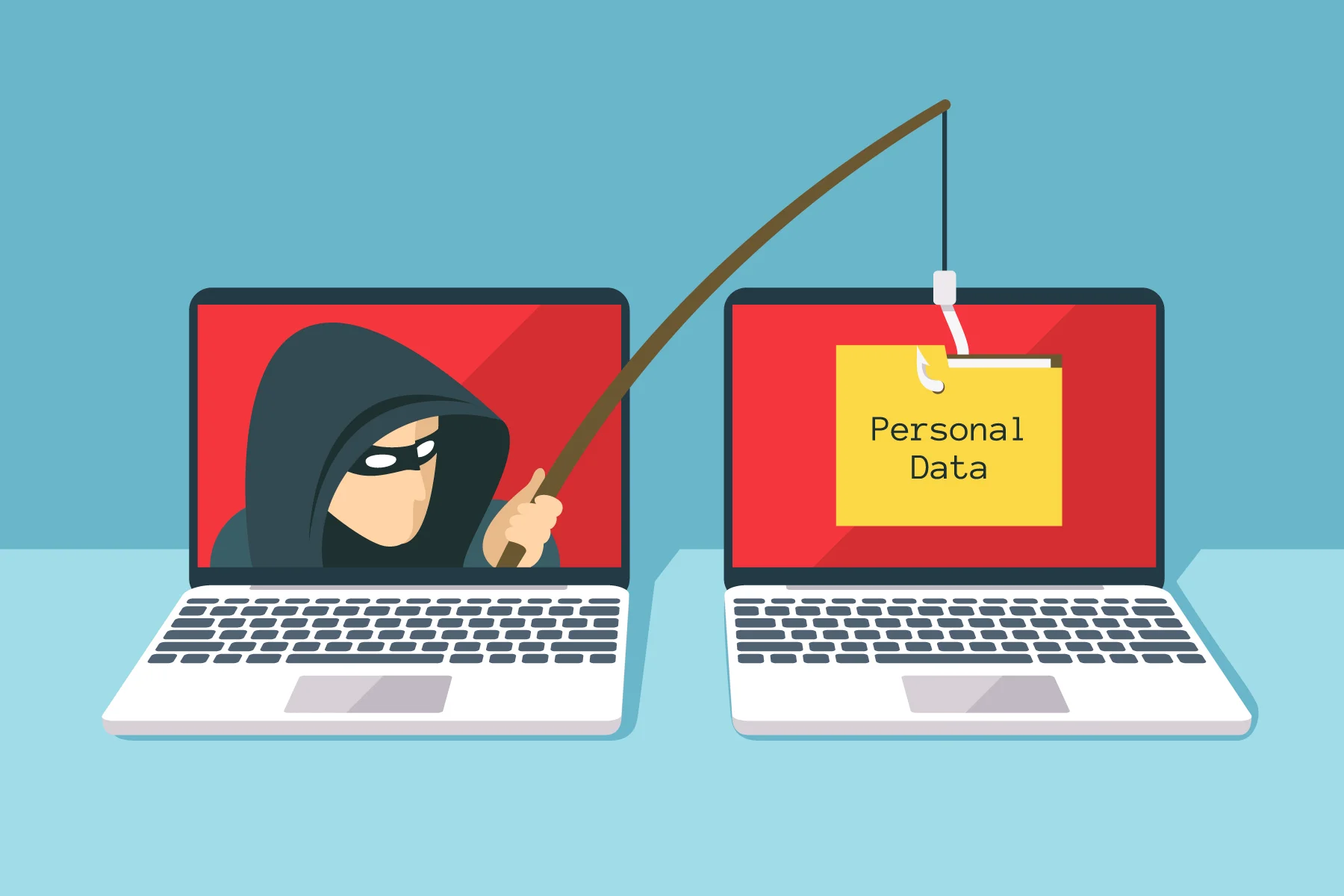
    One common online threat is phishing. This happens when someone tricks you into clicking on a link or downloading a file that looks legitimate but is actually a scam. These links can steal your personal information or install harmful software on your device.

    To stay safe, always double-check links before clicking on them. Be especially cautious of messages from strangers or unfamiliar accounts. If something seems too good to be true, it probably is. Avoid clicking on links from sources you don’t trust.

    Be Mindful of Friend Requests and Messages

    Knowing how to stay safe on social media also involves being careful with friend requests and direct messages. Some people may try to connect with you under false pretences. They could be pretending to be someone you know or trying to scam you.

    Always verify who is sending you friend requests or messages. If you don’t recognize the person or if their profile seems fake, it’s better to ignore or block them. This helps protect you from online fraud or harassment.

    Report Suspicious Behavior

    If you come across suspicious accounts, content, or behaviour on social media, report it to the platform immediately. Social media sites have tools for reporting fake accounts, inappropriate content, or harmful interactions. Reporting helps keep the community safe for everyone.

    Most platforms also allow you to block users who make you feel uncomfortable. Use these features to protect yourself from unwanted interactions.

    Stay Up to Date with Security Tips

    Lastly, stay informed about new ways to protect yourself online. Social media platforms constantly update their security features to address new threats. By staying up to date with these changes, you can keep your accounts more secure.

    Follow trusted blogs or news sources that cover social media safety. The more you know, the better prepared you’ll be to avoid online dangers.

    Conclusion

    In conclusion, how to stay safe on social media involves taking a few simple but important steps. By adjusting your privacy settings, using strong passwords, avoiding suspicious links, and being cautious with friend requests, you can enjoy social media without worrying about your safety. Remember to report any suspicious activity and stay informed about new security features. With these tips, you can protect your privacy and have a safer online experience. Stay smart and stay safe!

  • Best Practices for Social Media Posting

    Best Practices for Social Media Posting

    In today’s digital world, social media is a powerful tool for connecting with people. Whether you’re promoting a business or sharing personal updates, using best practices for social media posting can help you reach your audience more effectively. With the right approach, you can increase engagement, grow your following, and build a stronger online presence. In this article, we’ll explore the key strategies for successful social media posts that will stand out and get noticed.

    Why Following Best Practices for Social Media Posting Matters

    Social media is constantly evolving, and what worked a year ago might not work today. To keep up with trends, it’s important to follow best practices for social media posting. When you apply these practices, you can ensure your content is relevant, engaging, and aligned with your brand’s goals. Moreover, social media algorithms favour posts that get interactions. Therefore, posting content that encourages likes, comments, and shares is essential.

    Best Practices for Social Media Posting
    Best Practices for Social Media Posting

    Choose the Right Platforms

    The first step in social media posting is selecting the platforms that best suit your goals. Different social media networks attract different audiences. For example, if your target group is mostly young adults, Instagram or TikTok might be the best fit. On the other hand, if you’re looking for professional connections, LinkedIn could be a better option.

    Once you decide on the right platforms, tailor your content to each. What works on one platform might not work on another. For instance, a fun Instagram story might not fit the professional tone of LinkedIn posts. By knowing where to post and how to adjust your style, you’ll be able to reach the right audience with relevant content.

    Create High-Quality Content

    One of the best practices for social media posting is to create content that grabs attention. This means high-quality images, clear videos, and well-written captions. People scroll through their feeds quickly, so you need to stand out instantly. For instance, a stunning photo paired with a catchy caption will likely stop someone from scrolling past your post. Similarly, a compelling video can spark curiosity and engagement.

    Moreover, avoid overloading your audience with too much text. Focus on clarity and value. Always ensure your posts deliver something useful—whether it’s entertainment, education, or inspiration.

    Stay Consistent with Your Posting Schedule

    Consistency is key when it comes to social media. Posting regularly helps you stay visible to your audience. When you establish a consistent schedule, your followers will know when to expect new content from you. This can help improve your overall engagement.

    For example, if you post every Monday, Wednesday, and Friday, your followers will begin to look forward to your updates. Additionally, consistency helps you maintain a steady flow of fresh content, which is important for keeping your audience engaged.

    Engage with Your Audience

    Another critical aspect of best practices for social media posting is engaging with your followers. Social media is a two-way conversation. Respond to comments, like posts from others, and take time to interact with people who engage with your content. This shows that you value your followers, which can help build a loyal community.

    Additionally, encourage your audience to interact with your posts. Ask questions, create polls, or host giveaways. The more interactions you receive, the more likely your posts will be seen by others.

    Use Hashtags and Tags Effectively

    Hashtags and tags are great tools for expanding your reach on social media. By using popular and relevant hashtags, you make your posts discoverable to a larger audience. However, don’t overdo it. Focus on quality, not quantity.

    When you tag other users or brands, it can also increase visibility. Make sure the tags are relevant to the content, and always tag people or brands you mention in your posts.

    Analyze and Adjust Your Strategy

    Finally, it’s crucial to analyze your results and adjust your strategy. Social media platforms offer insights and analytics tools that allow you to track how well your posts perform. Look at which posts get the most engagement and figure out what works best. Based on these results, tweak your content and posting schedule for better results in the future.

    Stay Updated on Trends

    Social media trends change frequently. Keeping up with new trends is another important aspect of the best practices for social media posting. For instance, new features like Instagram Reels or TikTok challenges can give you a chance to gain more attention. By staying updated, you can keep your content fresh and appealing.

    Conclusion

    In conclusion, following the best practices for social media posting can greatly improve your online presence and engagement. By choosing the right platforms, posting high-quality content consistently, engaging with your followers, using hashtags and tags wisely, and analyzing your results, you can create a social media strategy that works. Keep experimenting, stay informed, and don’t be afraid to adapt. With time and effort, your social media posts will reach and resonate with your audience.

  • The Role of Social Media in Today’s Marketing Strategies

    The Role of Social Media in Today’s Marketing Strategies

    In the digital age, social media has evolved from a simple communication tool to a cornerstone of modern marketing strategies. With billions of users worldwide, platforms like Facebook, Instagram, Twitter, LinkedIn, and TikTok have become indispensable for businesses aiming to connect with their target audiences. Here’s an in-depth look at how social media is shaping today’s marketing landscape.


    1. Expanding Reach and Building Brand Awareness

    Social media platforms offer businesses an unparalleled opportunity to reach a global audience. With strategic content creation and advertising, brands can amplify their visibility, establish a strong online presence, and attract potential customers across diverse demographics.


    2. Engaging Directly with Customers

    Unlike traditional marketing methods, social media allows for two-way communication. Brands can interact with customers in real-time, respond to inquiries, gather feedback, and foster a sense of community through direct engagement.


    3. Personalized Marketing and Targeting

    Social media platforms leverage user data to enable highly targeted advertising. Businesses can craft personalized marketing campaigns that cater to specific interests, behaviors, and demographics, ensuring maximum relevance and effectiveness.


    4. Driving Traffic and Conversions

    Social media acts as a gateway to drive traffic to websites, e-commerce platforms, or brick-and-mortar stores. With features like shoppable posts, call-to-action buttons, and promotional content, brands can convert casual browsers into loyal customers.

    The Role of Social Media in Today’s Marketing Strategies..
    The Role of Social Media in Today’s Marketing Strategies..

    5. Leveraging Influencer Partnerships

    Influencers play a crucial role in modern social media marketing strategies. By collaborating with influencers who align with their brand values, businesses can tap into new audiences and enhance their credibility.


    6. Enhancing Brand Storytelling

    Social media platforms are ideal for telling a brand’s story through visuals, videos, and written content. Engaging narratives and authentic posts help humanize brands, making them more relatable and memorable to consumers.


    7. Measuring and Optimizing Performance

    Advanced analytics tools provided by social media platforms enable businesses to measure the success of their campaigns. Metrics like engagement rate, click-through rate, and conversion rate allow for continuous optimization of marketing efforts.


    8. Staying Ahead of Trends

    Social media is a hub for emerging trends, cultural moments, and viral content. By staying active and responsive, brands can capitalize on these trends to keep their messaging fresh and relevant.


    9. Cost-Effective Advertising

    Compared to traditional marketing channels, social media offers cost-effective advertising options. Small businesses can achieve significant results even with modest budgets by leveraging organic content and targeted ads.


    10. Building Long-Term Loyalty

    Through consistent engagement and value-driven content, social media helps build long-term customer relationships. Regular interaction with followers fosters trust and loyalty, which are key to sustainable growth.


    Conclusion

    Social media is no longer optional in today’s marketing strategies; it’s essential. Its ability to connect, engage, and convert audiences makes it a powerful tool for businesses of all sizes. By understanding its role and leveraging it effectively, brands can achieve remarkable success in a competitive digital landscape.

    Start integrating social media into your marketing strategy today to unlock its full potential and drive your business forward.

  • How to Stay Safe on Social Media: Privacy and Security Tips

    How to Stay Safe on Social Media: Privacy and Security Tips

    Social media has revolutionized how we connect, share, and communicate. However, it also comes with risks to privacy and security. From data breaches to identity theft, staying safe on social media requires vigilance. Here are some actionable tips to protect yourself and your personal information online.


    1. Strengthen Your Passwords

    Use strong, unique passwords for each social media platform. A combination of upper- and lower-case letters, numbers, and special characters ensures maximum security. Consider using a password manager to keep track of your credentials.


    2. Enable Two-Factor Authentication (2FA)

    Two-factor authentication adds an extra layer of protection to your accounts. Even if someone gains access to your password, 2FA requires a second verification step, such as a text message or app notification.


    3. Review Privacy Settings Regularly

    Most platforms offer customizable privacy settings. Limit who can view your posts, send you friend requests, and tag you in photos. Regularly review and update these settings to ensure your information is shared only with trusted individuals.


    4. Be Cautious About Sharing Personal Information

    Avoid posting sensitive information such as your home address, phone number, or vacation plans. Oversharing can make you vulnerable to phishing scams and identity theft.


    5. Think Before You Click

    Be wary of clicking on suspicious links, especially in unsolicited messages. Cybercriminals often use phishing links to steal login credentials or install malware.


    6. Verify Friend Requests and Messages

    Fake profiles are common on social media. Verify the authenticity of friend requests and messages, especially if they request money or personal information.

    How to Stay Safe on Social Media
    How to Stay Safe on Social Media

    7. Keep Your Software Updated

    Ensure your devices and apps are updated with the latest security patches. Outdated software can have vulnerabilities that hackers exploit.


    8. Log Out on Shared Devices

    Always log out of your social media accounts when using public or shared devices to prevent unauthorized access.


    9. Monitor Third-Party Apps

    Revoke access to third-party apps you no longer use. These apps often request permissions that could expose your data to security risks.


    10. Be Mindful of Public Wi-Fi

    Avoid accessing your social media accounts on public Wi-Fi without a VPN. These networks are often unsecured, making it easier for hackers to intercept your data.


    11. Report Suspicious Activities

    If you notice unusual login attempts, fake accounts, or phishing attempts, report them to the platform immediately. Most platforms have robust reporting mechanisms to handle security concerns.


    12. Educate Yourself About Privacy Policies

    Take the time to read the privacy policies of the platforms you use. Understand how your data is collected, stored, and shared.


    Conclusion

    Social media is a powerful tool for connection and expression, but it’s essential to use it responsibly. By following these privacy and security tips, you can safeguard your online presence and enjoy a safer social media experience.

    Take charge of your digital safety today and make informed choices to protect your privacy in the ever-evolving world of social media.